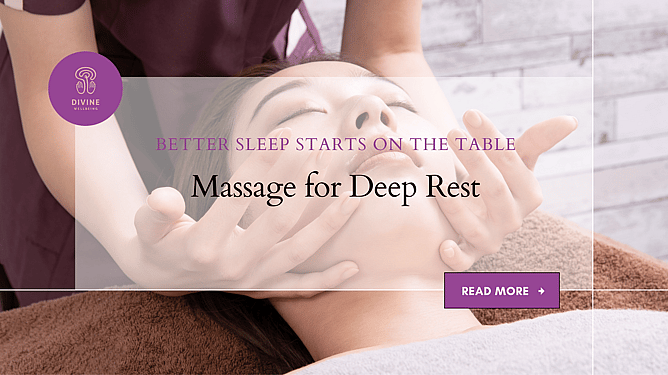
There’s a reason so many people say they “sleep like a baby” after a treatment. When you understand what happens inside the body during a well-delivered massage for sleep, it stops feeling like a luxury and starts feeling like a strategy.
Sleep isn’t just about being tired. It’s a carefully co-ordinated physiological process involving your nervous system, hormones, muscle tension, body temperature, and circadian rhythm. If any of these are overstimulated — stress, scrolling late at night, shallow breathing, tight shoulders - deep rest becomes harder to access. That’s where massage can make a measurable difference.
How Massage Supports Sleep Physiology
Your body runs on two main nervous system states: “fight or flight” (sympathetic) and “rest and digest” (parasympathetic). Many people spend their entire day in sympathetic mode - emails, deadlines, school pickups, notifications, constant decision-making.
A targeted massage for sleep works by gently shifting the body into parasympathetic dominance. Slow, rhythmical pressure helps lower cortisol (your stress hormone) while encouraging serotonin and melatonin production, both of these essential for healthy sleep cycles.
Muscle tension also plays a role. Tight hips, shoulders, neck, and jaw can keep the body subtly alert, even when you lie down. Releasing this tension signals safety to the brain. When the body feels safe, it lets go.
Even body temperature matters. Massage increases circulation and supports the natural drop in core temperature that occurs before sleep, one of the biological cues that it’s time to rest.
Creating an Evening Routine Around Massage
The most powerful results come when massage becomes part of a consistent evening rhythm rather than a once-off treat.
Booking an early evening session allows your nervous system to unwind before bed instead of trying to decompress at 10pm. After your treatment, keep the momentum going: dim lighting, warm shower or bath, herbal tea, minimal screens, and slow breathing.
Think of it as preparing your body for sleep in layers. Massage opens the door. Your routine gently walks you through it.
Pressure Styles That Encourage Deep Rest
Not all treatments are designed for sleep. Deep tissue work can be therapeutic but may stimulate the system if done too late in the day. For improving sleep quality, slower and more rhythmical techniques are generally most supportive.
Long, flowing strokes, steady compression, and gentle stretching calm the nervous system. Consistent pace matters more than intensity. The goal isn’t to “fix” everything in one session, it’s to help your body feel grounded and safe enough to fully switch off later.
If you struggle with racing thoughts at night, mention this before your session. Techniques can be tailored to focus on the scalp, neck, and diaphragm areas, which are closely linked to stress regulation.
Frequently Asked Questions
How often should I book a massage for sleep?
For chronic sleep issues, consistency is key. Fortnightly sessions often create noticeable change within a month. Some people benefit from weekly treatments during high-stress periods.
Can massage really improve insomnia?
Massage is not a cure for medical insomnia, but it can significantly support stress-related sleep difficulties. By lowering cortisol and calming the nervous system, it addresses one of the most common root causes of poor sleep.
What time of day is best?
Late afternoon and early evening appointments tend to work best. This allows your body to stay in a relaxed state as bedtime approaches rather than re-entering a busy daytime schedule.
What if I fall asleep during the treatment?
That’s completely normal, and a good sign. It shows your nervous system feels safe enough to let go.
Deep, restorative sleep doesn’t start when your head hits the pillow. It starts hours earlier, in how you unwind, how your body feels, and how supported your nervous system is.
If better rest is something you’re ready to prioritise, consider making it part of your rhythm rather than your reward.