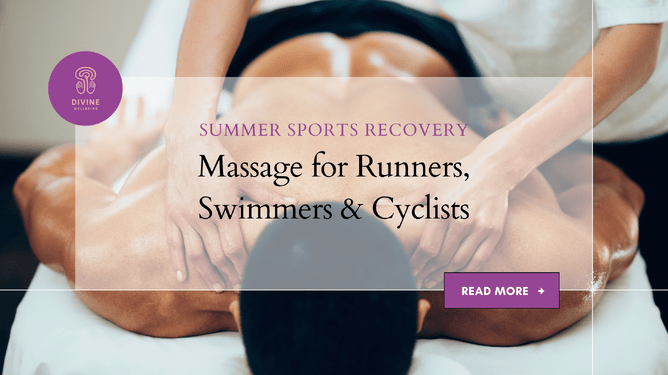
Summer brings longer days, lighter evenings, and more opportunities to move. For runners, swimmers, and cyclists, it often means increased training, events, and time spent doing what the body loves - but also more physical demand than usual.
While training strengthens the body, recovery is what allows it to keep going. Without adequate recovery, muscles remain tight, fatigue accumulates, and minor aches can quickly turn into ongoing issues. Massage plays an important role here — not just as a sports-specific treatment, but as a powerful way to support muscle recovery, circulation, and nervous system balance throughout the summer months.
Why Recovery Matters More in Summer
Warmer temperatures, longer sessions, and higher training frequency all increase the load placed on muscles and connective tissue. Hydration can fluctuate, sleep patterns may shift, and the body doesn’t always get the downtime it needs between workouts.
Many people notice that soreness lingers longer in summer, tight areas feel more stubborn, or energy levels dip despite maintaining fitness. These signs don’t mean training is wrong — they usually indicate that the body needs more intentional recovery.
Massage helps by supporting the body’s natural repair processes, easing tension, and encouraging circulation where it’s needed most.
Understanding DOMS (Delayed Onset Muscle Soreness)
Delayed Onset Muscle Soreness (DOMS) is common after challenging or unfamiliar activity. It usually peaks 24–72 hours after exercise and is especially noticeable after long runs, hill work, heavy swim sessions, or extended rides.
DOMS is part of the body adapting, but when soreness is intense or persistent, it can interfere with movement quality, sleep, and motivation. Massage helps reduce the intensity of muscle soreness by improving blood flow, supporting lymphatic drainage, and allowing muscles to soften more fully during recovery.
Rather than pushing through stiffness, massage offers the body space to reset and restore mobility.
Recovery Windows: Timing Matters
Massage can be beneficial at many points during training, but timing makes a difference — especially around events or intense sessions.
Within 24–72 hours after activity, massage focuses on calming the body and supporting recovery.
Pressure is usually lighter and more flowing, allowing muscles to release without overstimulation.
Deeper or more targeted work is often better suited once initial soreness has eased.
A post-event recovery massage isn’t about fixing or forcing — it’s about helping the body transition from effort into repair.
Supporting Hydration & Recovery
Massage works best when the body is well supported from the inside out. During summer, fluid and electrolyte loss through sweat can contribute to muscle tightness, cramping, and slower recovery.
To support your body around massage:
Drink water consistently throughout the day
Replace electrolytes after long or intense sessions
Avoid alcohol immediately after massage, as it can increase dehydration
Good hydration allows tissues to respond more effectively to massage and helps the body process what’s released during treatment.
How Massage Supports Different Activities
Runners
Repetitive impact can create tightness through calves, hamstrings, hips, and lower back. Massage supports muscle elasticity, circulation, and balance, helping runners move more freely and recover between sessions.
Swimmers
Swimming places high demand on shoulders, neck, and upper back. Massage helps relieve overuse tension, support shoulder mobility, and counteract postural strain that can build up over time.
Cyclists
Long periods in a fixed position often lead to tight hips, glutes, and lower back. Massage supports postural balance, improves circulation to the legs, and helps the body unwind after long rides.
Massage doesn’t need to be sport-specific to be effective — it simply needs to respond to what your body is doing.
When Massage Should Be Delayed
While massage is generally safe and supportive, there are times when it’s best to wait.
Massage may not be suitable if you are experiencing:
Acute injuries such as muscle tears or severe strains
Significant swelling or inflammation
Fever, illness, or infection
Pain that hasn’t been assessed or diagnosed
If in doubt, rest and professional advice should come first. Massage can be reintroduced once acute symptoms have settled and the body is ready.
Ongoing Support Through the Season
Regular massage is not only about recovery — it’s also about prevention. When muscles are able to relax fully and circulation remains strong, the body adapts more efficiently to training demands.
For many people training through summer, massage becomes a steady anchor — supporting performance, reducing setbacks, and helping the body feel cared for rather than constantly pushed.
For those searching locally for sports massage Timaru, it’s worth remembering that effective recovery doesn’t rely on labels. What matters most is how well the treatment supports your body, your activity level, and your overall wellbeing.

FAQ's
Can massage help with exercise recovery?
Yes. Massage supports circulation, muscle relaxation, and nervous system recovery, all of which help the body recover more effectively after physical activity.
Is massage only for athletes?
No. Massage is suitable for anyone who is active — whether you train regularly, exercise recreationally, or simply move more during summer.
How soon after an event should I book a massage?
A post-event recovery massage is usually best within 24–72 hours, depending on soreness and fatigue levels.
Does massage reduce muscle soreness?
Massage can help reduce the intensity and duration of muscle soreness by supporting blood flow and easing muscle tension.
How often should I have massage during summer training?
Many people benefit from massage every 2–4 weeks during active periods. Frequency can be adjusted based on training load and how your body responds.
Recover Well, Move Well, Enjoy Summer
Summer movement should feel energising — not draining. Supporting your body with regular massage helps ensure recovery keeps pace with activity.
A post-event recovery massage offers your body the chance to settle, restore, and prepare for what’s next — so you can continue doing what you love, feeling supported along the way.
If you’re training, competing, or simply moving more this summer, your body may benefit from intentional recovery time.